Aligning Values and Intentions
Aligning Values and Intentions
Life Wheel
Pick the 2 segments that have the lowest score
Were you surprised at the results
Is this what you wish to focus on whilst we work together?
Now elicit your values based on the chosen segment of the life wheel
Are they in alignment ?
You may have to review your values separately for each segment
If not reassess and simply replace your values with new values
Checking your body to make sure that you are aligned
You a can tap through with psychological reversals below to uncover self sabotage or limiting beliefs
Psychological Reversals (taken from level 2 EFT These are critical in order for us to cover each aspect
Deservedness—”do I deserve to get over this problem?”
Safety—”It is safe for me to get over this problem?”
Ecology – “It is safe for other people in my life if I get over this?”
Motivation—”will I do what has to be done to get over this problem?”
Permission—”Do I allow myself to get over this problem?”
Possibility—”Is it possible for me to overcome this problem?”
Benefit—”It is good for me/others to get over this problem?”
Resource—”I don’t have what it takes to make life work without this problem”
Deprivation Reversal—”I will feel deprived if I get over this problem”
Recurrent Reversal—”Even if this keeps coming back …”
Identity Reversal—”I will lose my identity if I get over this problem”
BRAIN HEMISPHERES
The brain 🧠 hemispheres, your left brain controls the right side of your body, the right brain controls the left side of your body and the corpus collusum can inhibit as well as create communication
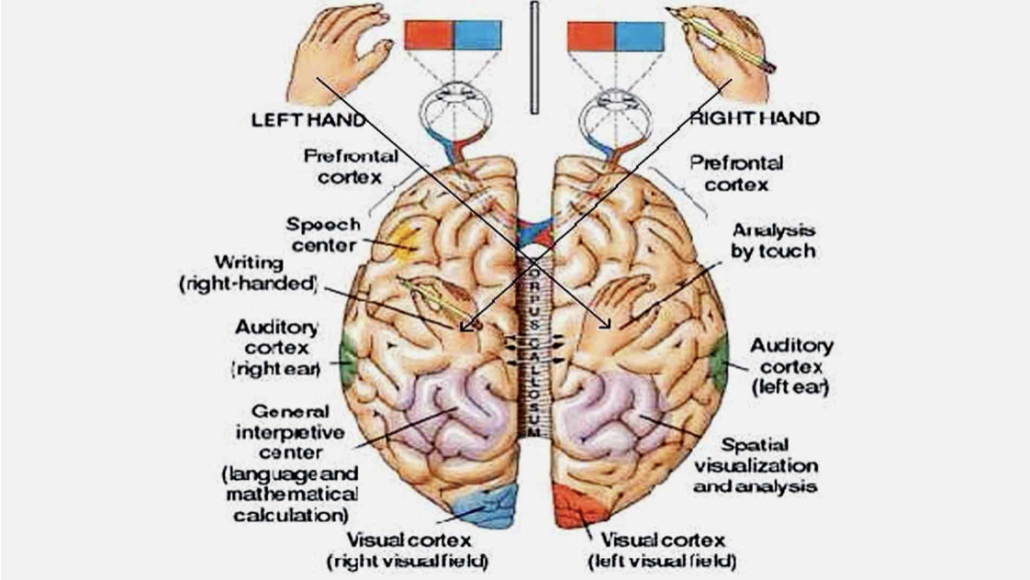
PLEASE NOTE THIS IS RELEVANT FOR READING CT SCANS FROM META PERSPECTIVE AND HAS NO RELEVANCE TO BRAIN STEM RELAY
In order to feel more balanced and safer in the world the following excercises can assist
The Cross Crawl, Wayne Cook’s Hook-up, and Ear Roll are all simple yet effective exercises that can help enhance brain function and overall neural health. These practices I have collated from Donna Eden Energy Medicine Wayne Cook, pioneering researcher of Bioenergetics force field who demonstrated the effectiveness of this technique for treating dyslexia and stuttering
Brain Gym created by Paul and Gail Dennison
aRhythmic Movement Training (RMT): Developed by Harold and Marguerite H. Y., focusing on rhythmic movements to stimulate brain function and motor coordination. Who were development tal therapists and integrated primal movement in early stages observing how this helps the brain coordinate and neural pathways to be established
Here’s a breakdown of the benefits for each:
- Cross Crawl
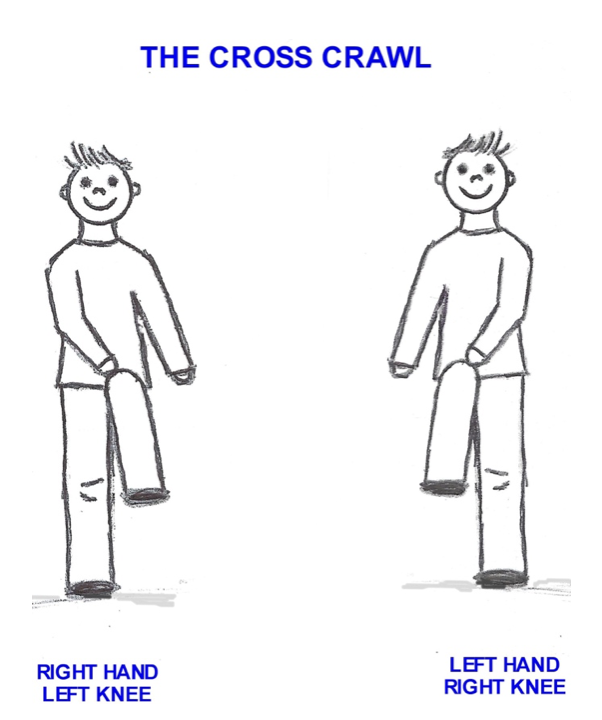
1. Cross Crawl
The cross crawl movement (alternating arm and leg movements) has been linked to benefits in brain integration, coordination, and motor skills. The idea is rooted in the concept of bilateral integration, which supports communication between the two hemispheres of the brain. It mimics the motion of running and natural movement
- Science Support:
- Bilateral Coordination: Cross-crawl movements promote interhemispheric communication. A study by Gazzaniga (2000) suggests that cross-lateral movements help coordinate the left and right hemispheres of the brain, which can support overall cognitive function.
- Brain Plasticity: Studies like those by Thompson et al. (2013) have shown that regular physical movements, including those that involve both sides of the body, can encourage neuroplasticity, improving cognitive flexibility and learning.
- Improves coordination: Cross-crawling strengthens the connection between the left and right hemispheres of the brain, promoting better coordination and motor skills.
- Enhances cognitive function: The exercise stimulates the brain, particularly the corpus callosum (the part that connects the two hemispheres), improving memory, concentration, and processing speed.
- Supports neuroplasticity: Regular practice can increase brain flexibility, helping it adapt and reorganize, which is especially helpful for cognitive recovery after injury or stroke.
- Boosts focus and attention: Helps regulate the nervous system, making it easier to focus and manage stress.
- Cook’s Hook-Up
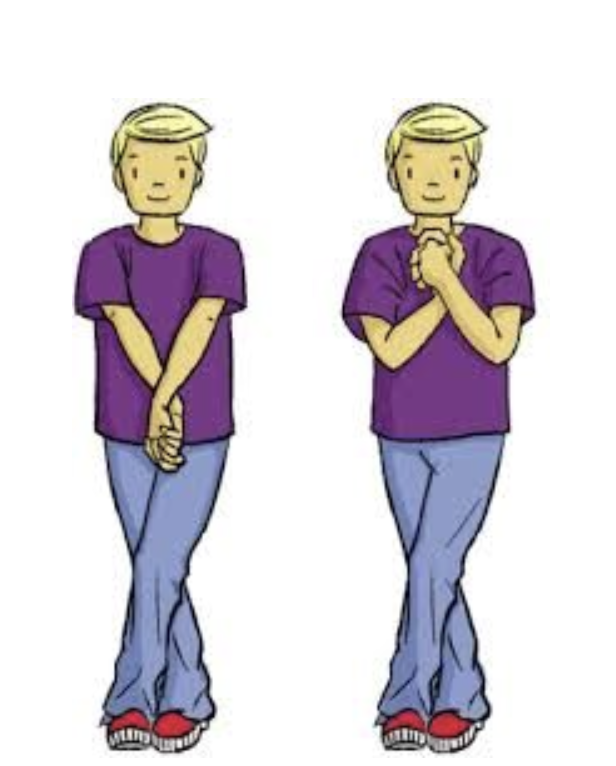
This technique is based on the idea of connecting or reconnecting the left and right hemispheres of the brain, often through simple movements like crossing the arms over the chest or using specific hand placement techniques.
- Science Support:
- Hemispheric Synchronization: Research shows that engaging in specific body postures or movements, such as crossing midline, can enhance communication between the left and right brain hemispheres (i.e., interhemispheric communication). This is thought to improve emotional regulation and cognitive performance.
- Research by Nelson and Bell (2006) demonstrated how movements designed to stimulate both hemispheres could have a calming effect, potentially aiding in emotional balance and improving focus.
- Enhances left-right brain communication: The crossed arm and leg positioning helps balance the two hemispheres of the brain, improving cognitive integration and communication.
- Reduces stress and anxiety: The deep breathing and posture can help activate the parasympathetic nervous system, reducing tension and promoting relaxation.
- Promotes mental clarity: By integrating both sides of the brain, it helps improve focus, concentration, and mental processing, which can be helpful for learning or cognitive rehabilitation.
- Supports emotional regulation: Helps balance emotions by fostering a stronger mind-body connection and calming the nervous system.
- . Ear Roll
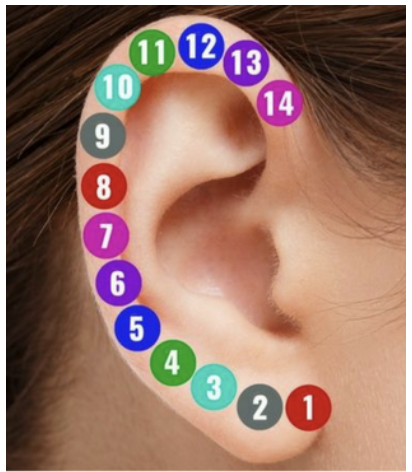
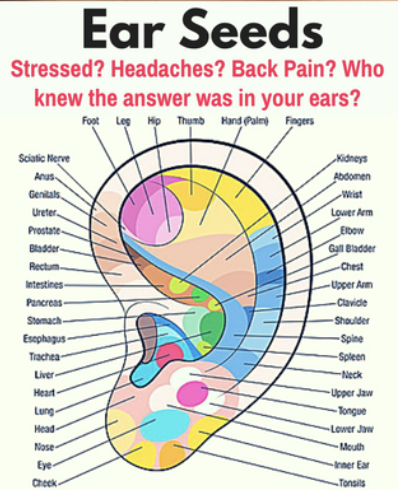
The Ear Roll exercise involves gently massaging or rolling the ear lobes, often as a way to stimulate certain pressure points on the ears or around the face.
Benefits for brain health and therapy:
- Stimulates the vagus nerve: The ear lobes are connected to the vagus nerve, which plays a role in regulating heart rate, digestion, and stress responses. Stimulating this area can help lower stress levels and promote relaxation.
- Boosts circulation to the brain: Gentle massage can increase blood flow to the brain, which helps enhance cognitive function and improve mental clarity.
- Regulates autonomic functions: By engaging the ear area, the exercise can help balance autonomic functions like heart rate and breathing, which supports overall well-being.
- Promotes relaxation: The soothing nature of the ear roll helps activate calming neural pathways, supporting stress relief and emotional balance.
5.Eye Movements in Therapy
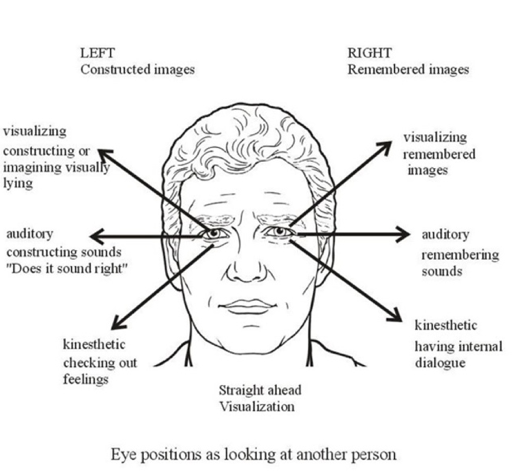
Eye movement therapies, such as EMDR (Eye Movement Desensitization and Reprocessing), use specific patterns of eye movement to process traumatic memories and emotional distress.
- Science Support:
- EMDR: There is substantial evidence supporting EMDR for trauma. A meta-analysis by Chen et al. (2016)concluded that EMDR is highly effective for trauma processing, particularly in reducing symptoms of PTSD. Eye movements during EMDR are believed to mimic the natural processing that occurs during REM sleep, which may facilitate the processing of distressing memories.
- Cognitive Processing and Memory: Studies like those by Stickgold (2002) suggest that eye movements can activate neural networks associated with memory consolidation and emotional processing. The bilateral stimulation (through eye movements) is thought to engage both hemispheres of the brain, supporting a more balanced and integrated emotional response to trauma.
RMT ccreated by Dr. Blomberg was a licensed psychiatrist and published books and articles on developmental delays, primitive reflexes, and therapeutic movement. His medical background provided a scientific framework for integrating movement into therapeutic contexts.
Benefits of RMT for the Brain and Therapy
RMT is grounded in the idea that rhythmic, patterned movements, similar to those made by infants during early development, stimulate brain and nervous system development. Key benefits include:
- Integration of Primitive Reflexes:
- Primitive reflexes are automatic movement patterns present at birth that should integrate (fade) as the brain matures. If retained, they can interfere with learning, focus, and motor coordination.
- RMT helps “retrain” the brain to integrate these reflexes, improving overall neurological function.
- Improved Brain Connectivity:
- Rhythmic movements stimulate the cerebellum, basal ganglia, and sensory-motor pathways, promoting better communication between brain hemispheres (via the corpus callosum).
- This enhances coordination, balance, and cognitive processing.
- Regulation of the Nervous System:
- The repetitive, rhythmic patterns have a calming effect on the nervous system, reducing stress and promoting emotional regulation.
- It has been used in trauma therapy and to support children and adults with ADHD, PTSD, and anxiety.
- Cognitive and Learning Improvements:
- By enhancing sensory integration and motor skills, RMT has been shown to improve focus, reading, writing, and comprehension abilities in individuals with learning difficulties.
- Support for Autism Spectrum Disorder (ASD):
- RMT helps with sensory processing and emotional self-regulation, which are common challenges for individuals with ASD
RMT (Rhythmic Movement Training)
Rhythmic Movement Training involves repetitive, rhythmic movements (like rocking, swinging, or tapping) often used to help individuals with developmental delays, sensory processing issues, or trauma. It is based on early developmental patterns.
- Science Support:
- Motor Development and Integration: The approach is grounded in the idea that rhythmic movements mirror early developmental reflexes that help with neurological integration. A study by Haas and Schenk(2018) found that rhythmic movements can help facilitate neurological processing, especially for individuals with developmental disorders like ADHD or Autism Spectrum Disorder (ASD).
- Trauma and Stress Regulation: Research by Porges (2011) on Polyvagal Theory shows how rhythmic movements can activate the parasympathetic nervous system, supporting emotional regulation and helping individuals feel more grounded and calm.
- Studies by Kranowitz (2015) emphasize how body movements like these can support sensory processing and emotional regulation.